Source E Glass Surfboards Fiberglass Fabric for Surfboards, Boats, and Panels
Find 30 listings for e glass surfboards fiberglass fabric with varying weights, widths, and weave types. Buyers can compare specifications including alkali-free content, resin compatibility, and customization options for surfboard construction and other applications.
Key considerations
Products List


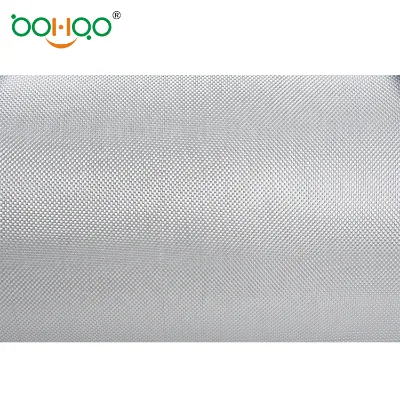
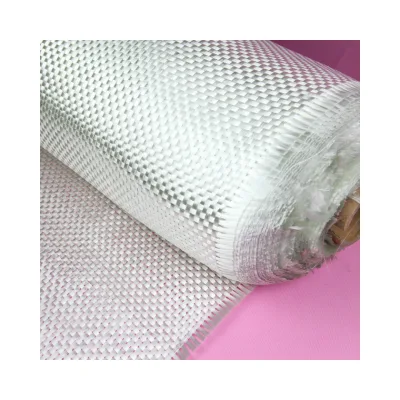



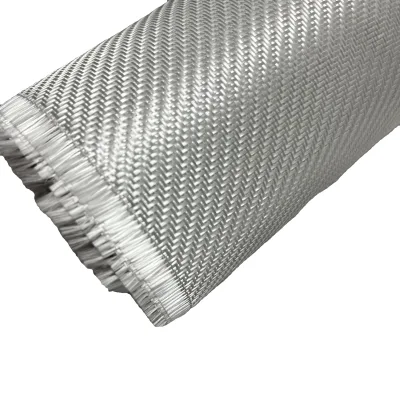
Comprehensive Sourcing Guide
Strategic Sourcing Guide for E-Glass Surfboard Fiberglass Fabric
Understanding E-Glass Fiberglass Fabric for Surfboard Construction
The core keyword "e glass surfboards fiberglass fabric" points to a specialized segment of composite materials where electrical-grade glass fibers are engineered specifically for high-performance marine applications. In the context of surfboard manufacturing, the primary material requirement is a balance of tensile strength, flexibility, and weight reduction. The supplied product data confirms that the underlying material composition is 100% fiberglass, specifically utilizing E-Glass as the fiber type. This designation is critical because E-Glass offers superior electrical insulation and mechanical strength compared to other glass types, making it the industry standard for structural reinforcement in composite layups.
For surfboard builders, the weave structure is a decisive factor in the final board's performance characteristics. The available data indicates that the fabric comes in both Twill Woven and Plain Woven configurations. A Plain Woven structure typically provides a uniform, balanced look with consistent strength in both warp and weft directions, which is often preferred for the deck and bottom skins of a surfboard to ensure even stress distribution. Conversely, Twill Woven fabrics offer a distinct diagonal pattern that can provide better drape over complex curves, a common requirement when molding the rails and contours of a surfboard. The choice between these weaves depends on the specific design intent of the shaper, whether prioritizing stiffness or conformability.
Technical Specifications and Performance Parameters
When evaluating potential inventory for surfboard production, buyers must scrutinize the physical specifications provided by suppliers. The observed product data reveals a significant variance in weight and thickness, which directly correlates to the intended use within the surfboard assembly. The weight range for the fiberglass cloth is documented between 260g/m² and 1600g/m², with specific listings noting weights of 120g/m², 195g/m², and 205g/m². For surfboards, lighter weights such as the 120g/m² or 195g/m² variants are often utilized for the outer skins to maintain a low overall board weight while providing necessary impact resistance. Heavier weights, potentially up to 1600g/m², might be reserved for high-stress areas or specific reinforcement patches, though they are less common for standard layups.
Thickness is another critical dimension. The supplied specifications list thicknesses ranging from 0.01mm to 3mm, with specific instances of 0.11mm and 0.19mm. In surfboard construction, the thickness of the fabric influences the resin-to-fiber ratio. Thinner fabrics generally allow for a higher resin content, which can improve wet-out and bonding but may add weight if not managed correctly. The width specifications are equally important for minimizing waste during the cutting and laying process. The data shows widths ranging from 50mm to 3000mm, with specific standard widths including 635mm, 685mm, 700mm, 760mm, 800mm, 1000mm, 1270mm, 1.02m, 1.52m, and 2.02m. Selecting a width that matches the blank dimensions of the surfboard is essential to reduce off-cut waste and streamline the manufacturing workflow.
The resin compatibility of the fabric is a non-negotiable technical attribute. The data explicitly states compatibility with "up" (likely referring to unsaturated polyester), "Ep" (epoxy), and "Ve" (vinyl ester) resins. This versatility is vital for surfboard manufacturers who may use different resin systems based on environmental regulations or performance goals. Epoxy resin is often preferred for its superior strength-to-weight ratio and adhesion, while polyester is common for cost-effective production. The fabric must demonstrate a "Fast Wet-out" characteristic, a specific advantage listed in the product data, to ensure that the resin penetrates the fiber bundle quickly and completely, preventing dry spots that could lead to structural failure.
Compliance, Certification, and Material Standards
Navigating the compliance landscape is essential for B2B procurement, particularly when sourcing materials that may be used in international markets. The product data confirms that suppliers offer fabrics with RoHS, ISO, and CE certifications. These certifications indicate that the manufacturing process adheres to specific environmental and safety standards. RoHS compliance ensures that the fabric does not contain restricted hazardous substances, which is increasingly important for global supply chains. The ISO certification, specifically noted as ISO and CE in multiple data points, suggests adherence to quality management systems, though the specific ISO standard (e.g., ISO 9001) should be verified against the supplier's current documentation.
Beyond general certifications, buyers should verify the alkali content of the fiberglass. The data highlights "Alkali Free" as a key attribute. This is particularly relevant for surfboards that may be exposed to saltwater environments. Alkali-free glass fibers are less susceptible to degradation from alkaline environments, which can occur in certain resin systems or through prolonged exposure to salt. This attribute ensures the long-term durability of the surfboard, preventing the "glass rot" that can compromise the structural integrity of the board over time.
The origin of the product is also a factor in compliance and logistics. The data lists origins in Jiangsu, China, Jiangxi, and Zhejiang, China. While these locations are hubs for fiberglass production, buyers should ensure that the specific batch they are purchasing meets the stated certifications. The presence of BSCI certification in some listings indicates compliance with social accountability standards, which may be a requirement for buyers with strict corporate social responsibility policies. However, buyers must treat these certifications as observations of specific product lines rather than universal guarantees for all listed items, verifying the current status of each supplier's documentation.
Cost Drivers and Procurement Economics
The economic landscape for sourcing E-glass surfboard fabric is influenced by several variables, including weight, width, and customization requirements. The observed price range in the market is broad, spanning from $0.09 to $17.30 USD. This wide disparity suggests that the unit price is heavily dependent on the specific configuration of the fabric. Lower-priced items likely correspond to standard weights and widths with minimal customization, while higher-priced items may reflect specialized weaves, custom dimensions, or premium certifications.
Minimum Order Quantity (MOQ) is a significant cost driver for buyers. The data indicates an MOQ range from 1 to 30,000 units. For small-scale surfboard shapers or startups, an MOQ of 1 allows for trial runs and small batch production without significant capital outlay. However, larger manufacturers may benefit from the higher volume tiers to secure better unit economics. The packing specifications, which include "Carton and Pallet" or "Pack in Carton," also impact shipping costs. Bulk palletized shipments are generally more cost-effective for large orders, whereas carton packaging is suitable for smaller, more frequent deliveries.
Customization is a key feature listed in the product data, with "Available" customization noted for specifications, models, and packaging. While customization adds value, it often incurs additional costs and may extend lead times. Buyers must weigh the benefits of custom widths or weights against the potential increase in unit price and the complexity of the supply chain. The "Fast Wet-out" and "Excellent Mechanical Properties" are listed as advantages, which can indirectly reduce costs by improving manufacturing efficiency and reducing material waste during the layup process.
Typical Applications and Performance in Surfboard Manufacturing
While the primary application listed is "Fiberglass Mesh Cloth," the data also references "Wall/Roof Covering Cloth" and "Filter Cloth." For surfboard applications, the fabric serves as the primary structural skin. The "Flame Retardant" and "Heat Insulation" advantages listed in the data are beneficial for surfboard safety, particularly during the resin curing process and in hot environments. The temperature resistance of up to 550°C is a robust specification, though it is primarily relevant for fire safety testing rather than operational conditions.
The versatility of the fabric allows it to be used in various stages of surfboard construction. The "Plain Woven" and "Twill Woven" options provide different tactile and mechanical properties. Plain weave is often used for the bottom skin to provide a smooth finish and consistent strength, while twill weave might be used for the deck or rail patches where flexibility is required to conform to the board's shape. The color options, including "White and Colored" or "White or Customized," allow manufacturers to brand their boards or match specific aesthetic requirements without the need for additional painting or dyeing processes.
Supplier Evaluation and Quality Control Protocols
When evaluating suppliers, buyers should focus on the consistency of the product attributes listed. The data shows variations in model numbers, such as "CWR300-90/100," "4OZ 6OZ," and "1522," which indicates a diverse product portfolio. Buyers must ensure that the specific model ordered matches the technical requirements of their surfboard design. For instance, a 4oz or 6oz fabric (corresponding to the 120g/m² and 195g/m² weights) is standard for many surfboard applications, but the exact weight must be confirmed to avoid discrepancies in the final product weight.
Quality control should involve verifying the "Resin Compatibility" and "Alkali Content" through independent testing or supplier certificates of analysis. The "Fast Wet-out" advantage should be validated through trial layups to ensure that the resin penetrates the fabric efficiently. Additionally, the "After-Sales Service" offering "Custom Logo and Packaging" suggests that suppliers are willing to collaborate on branding, which can be a valuable service for surfboard manufacturers looking to establish a unique market identity.
Long-Term Procurement and Supply Chain Considerations
Long-term procurement strategies for E-glass surfboard fabric should prioritize supply chain stability and consistency. The "Roll Length" specifications, ranging from 50m to 200m or customized, offer flexibility in inventory management. Buyers should consider their production volume when selecting roll lengths; longer rolls reduce the frequency of splicing and setup times, while shorter rolls may be more manageable for smaller workshops.
The "Customized" standard and "Customized" specifications highlight the potential for a tailored supply relationship. However, buyers must be cautious of relying solely on "custom" labels without clear technical definitions. Establishing a clear specification sheet that references the exact weight, weave, width, and resin compatibility is essential for maintaining quality over time. The "Carton or Pallet" packing options should be standardized to ensure efficient storage and handling in the manufacturing facility.
In conclusion, sourcing E-glass surfboard fiberglass fabric requires a meticulous approach to technical specifications, compliance verification, and supplier evaluation. By leveraging the detailed product data provided, buyers can make informed decisions that balance performance, cost, and quality. The availability of diverse weave types, weights, and certifications offers a robust foundation for building high-performance surfboards that meet the demands of the competitive marine sports market.
FAQs
What certifications are available for this fiberglass fabric?
The fabric is available with RoHS, ISO, and CE certifications. Some listings also include BSCI certification. These certifications ensure compliance with environmental and safety standards for international procurement.
Which weave types are offered for surfboard construction?
Both Plain Woven and Twill Woven configurations are available. Plain weave offers uniform strength for deck skins, while Twill weave provides better drape for complex rail contours. The choice depends on the shaper's design needs.
How does the fabric handle resin compatibility?
The fabric is compatible with unsaturated polyester, epoxy, and vinyl ester resins. It features fast wet-out characteristics to ensure complete resin penetration. This versatility supports various manufacturing processes and performance goals.
What is the weight range for the fiberglass cloth?
The weight ranges from 260g/m² to 1600g/m², with specific options like 120g/m² and 195g/m². Lighter weights are ideal for outer skins to reduce board weight, while heavier weights suit reinforcement patches.
Can I customize the specifications and packaging?
Yes, customization is available for specifications, models, and packaging. Buyers can request custom widths, weights, and roll lengths. After-sales services also include custom logo and packaging options for branding.
Where are these fiberglass fabrics manufactured?
Products originate from Jiangsu, Jiangxi, and Zhejiang provinces in China. These regions are established hubs for fiberglass production. Buyers should verify specific batch certifications against the supplier's documentation.
What are the temperature resistance capabilities?
The fabric offers temperature resistance up to 550 degrees Celsius. This property is beneficial for fire safety testing and heat insulation during the resin curing process. It ensures durability in high-temperature environments.